Comprehensive Analytical Resource on Natural Approaches for Balanced Well-being
An educational knowledge hub exploring the fundamentals of nutrition, movement, sleep, and lifestyle practices for overall vitality and wellness.
Educational content only. No promises of outcomes.
The Pillars of Well-being
Nutrition
Balanced nutrition supports energy, cellular function, and overall vitality through macronutrients and micronutrients.
Movement
Regular physical activity promotes cardiovascular health, muscle strength, mental clarity, and emotional balance.
Sleep
Quality sleep is essential for cellular repair, cognitive function, immune health, and emotional regulation.
Mindfulness
Stress management and mindfulness practices support mental well-being, emotional resilience, and overall health.
Nutrition's Role in Vitality
Balanced nutrition is fundamental to maintaining energy levels and supporting all bodily functions. The human body requires a diverse array of nutrients to thrive.
Essential Nutritional Components
- Proteins: Essential amino acids for muscle, tissue, and enzyme synthesis
- Carbohydrates: Primary energy source for cellular function
- Fats: Crucial for hormone production and nutrient absorption
- Vitamins: Vital for metabolic function and immune support
- Minerals: Essential for bone health, nerve function, and enzyme activity
A varied diet incorporating whole grains, vegetables, fruits, legumes, and quality proteins provides the nutritional foundation for sustained well-being.

The Power of Movement
Physical activity is one of the most effective lifestyle factors for supporting overall health and well-being. Movement affects multiple systems in the body.
Forms of Physical Activity
- Aerobic exercise: Supports cardiovascular function and endurance
- Strength training: Builds muscle, bone density, and metabolic capacity
- Flexibility work: Enhances range of motion and injury prevention
- Walking and gentle movement: Accessible daily practice for vitality
- Mind-body practices: Yoga and tai chi for balance and coordination
Consistency and moderation are key principles. Regular, sustainable movement practices provide greater benefits than intense, sporadic activity.

Herbal Traditions & Natural Compounds
Throughout history, cultures worldwide have recognized the role of natural ingredients in supporting wellness and vitality.

Traditional Knowledge Systems
Ancient practices from Ayurveda, Traditional Chinese Medicine, and Mediterranean traditions have long emphasized the role of herbs and botanicals for supporting general wellness.
Explore further →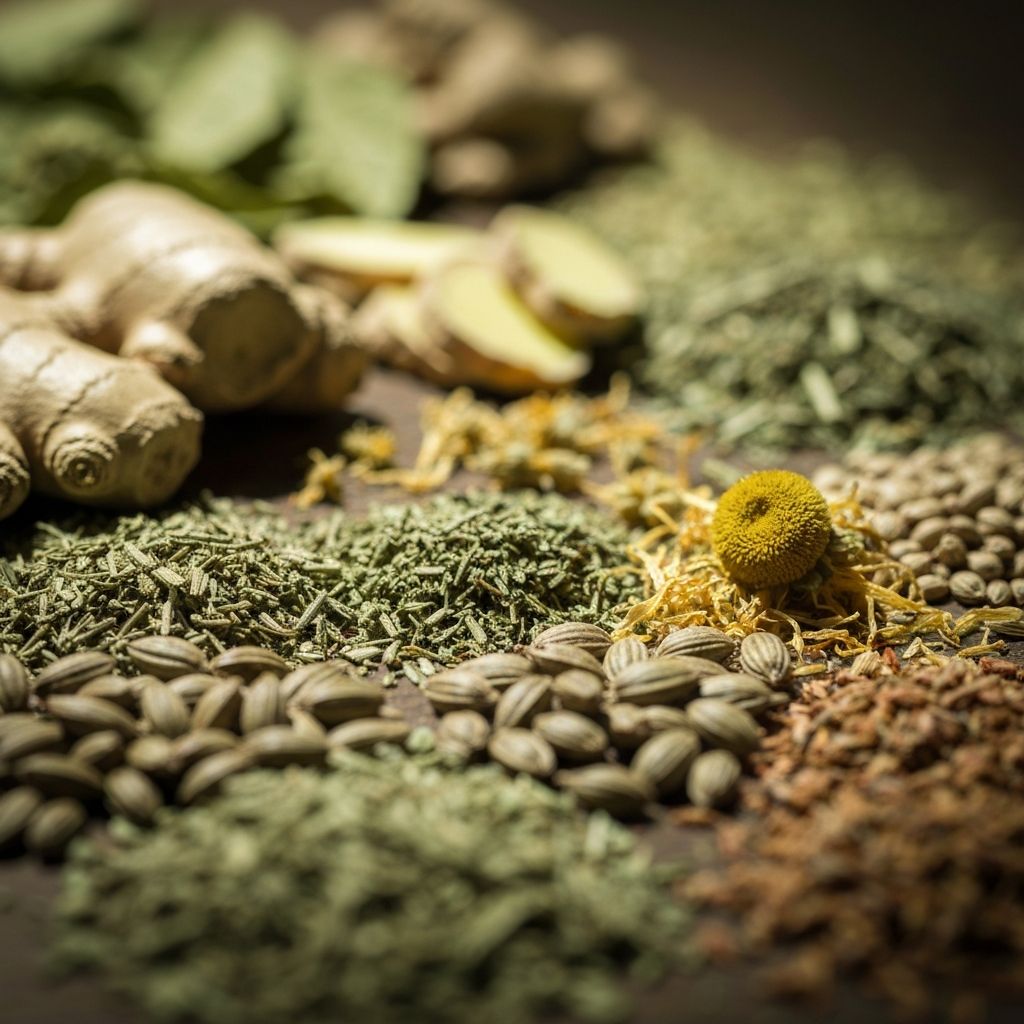
Botanical Compounds
Natural plant extracts contain bioactive compounds that support various body functions. These ingredients have been studied for their roles in maintaining general health.
Discover more →
Herbal Preparations
Various methods of preparing herbs—teas, infusions, extracts—have been traditional ways to access the benefits of plant materials for general wellness.
Learn about this topic →Mindfulness & Stress Management
Chronic stress impacts physical and mental health. Evidence indicates that stress management practices support emotional resilience and overall well-being.
Stress Management Approaches
- Meditation: Practices that cultivate present-moment awareness
- Breathing exercises: Techniques that activate the relaxation response
- Progressive relaxation: Methods for releasing physical tension
- Mindfulness practices: Observing thoughts and emotions without judgment
- Nature exposure: Time in natural environments for nervous system balance
Regular practice of stress management techniques supports mental clarity, emotional balance, and physical health.

Restorative Sleep
Sleep is a critical biological process that affects nearly every system in the body. Quality sleep supports physical recovery, cognitive function, and emotional well-being.
Sleep Hygiene Principles
- Consistent sleep schedule: Maintaining regular bedtimes supports circadian rhythm
- Sleep environment: Cool, dark, quiet spaces promote restorative sleep
- Pre-sleep routine: Wind-down activities prepare the body for rest
- Limiting stimulants: Managing caffeine and screen exposure supports sleep quality
- Physical activity: Movement during the day improves sleep architecture
Sleep cycles include different stages, each contributing to restoration and memory consolidation. Most adults benefit from 7-9 hours of quality sleep.

Hydration Essentials
Water is essential for every cellular function in the human body. Proper hydration supports energy levels, cognitive function, physical performance, and overall health.
| Body Function | Role of Hydration | Practical Application |
|---|---|---|
| Nutrient Transport | Water carries nutrients throughout the body for cellular function | Consistent water intake supports metabolic efficiency |
| Temperature Regulation | Sweating and fluid balance help maintain core body temperature | Increased hydration needs during physical activity and heat |
| Cognitive Function | Proper hydration supports focus, memory, and mental clarity | Regular fluid intake throughout the day maintains mental performance |
| Joint Lubrication | Synovial fluid in joints contains water for smooth movement | Adequate hydration supports mobility and comfort |
| Immune Support | Water facilitates nutrient absorption and toxin elimination | Proper hydration strengthens immune system function |
Individual hydration needs vary based on activity level, climate, and individual physiology. Thirst and urine color are useful indicators of hydration status.
Balanced Lifestyle Approaches
Various cultures and time periods have developed comprehensive lifestyle philosophies that support longevity, health, and well-being through integrated practices.
Integrated Lifestyle Models
- Mediterranean lifestyle: Emphasis on plant foods, active movement, social connection
- Traditional Japanese practices: Balance, moderation, and attention to seasonal rhythms
- Ayurvedic principles: Personalized approaches based on individual constitution
- Holistic wellness: Integration of physical, mental, emotional, and spiritual dimensions
These approaches share common themes: whole foods, regular movement, adequate rest, stress management, and social connection as pillars of sustained well-being.

Seasonal Eating Guide
Eating seasonal produce offers nutritional and environmental benefits. Seasonal foods are typically at peak nutrient density when grown in their natural cycles.
Seasonal Produce Benefits
- Peak nutrition: Seasonal foods harvested at maturity contain optimal nutrient levels
- Enhanced flavor: Natural ripening develops taste and nutritional complexity
- Environmental alignment: Seasonal eating supports local ecosystems
- Cost-effectiveness: Abundant seasonal produce is typically more affordable
- Variety: Seasonal rotation ensures diverse nutrient intake throughout the year
Spring greens and asparagus, summer berries and tomatoes, autumn squash and root vegetables, winter citrus and cruciferous vegetables each offer unique nutritional profiles.

Understanding Nutritional Labels
Food labeling provides objective information about product composition, enabling informed dietary choices.
Key Information on Labels
- Serving Size: Provides context for all nutritional values listed
- Calories: Total energy content per serving
- Macronutrients: Breakdown of protein, fat, and carbohydrates
- Micronutrients: Vitamins and minerals as percentage of daily values
- Ingredients: Listed by weight in descending order
- Allergens: Critical information for those with food sensitivities
Practical Reading Tips
- Check serving size first for accurate nutritional context
- Compare products per serving for objective comparison
- Review ingredient lists for unfamiliar additives
- Note nutrient density relative to caloric content
- Look for whole foods with shorter ingredient lists
- Understand daily value percentages for nutrient context
Information Disclaimer: This website provides educational content about general wellness principles, nutrition, physical activity, and lifestyle practices. The information presented is for informational purposes only and does not constitute medical advice, diagnosis, or treatment recommendations.
Individual circumstances vary widely. Information presented here should not be interpreted as professional medical advice or as a substitute for consultation with qualified healthcare professionals. Different approaches work for different individuals, and personal decisions regarding health practices should be made in consultation with appropriate professionals.